
Conflict Management Training
7 Steps to Resolve Conflict Between Co-Workers
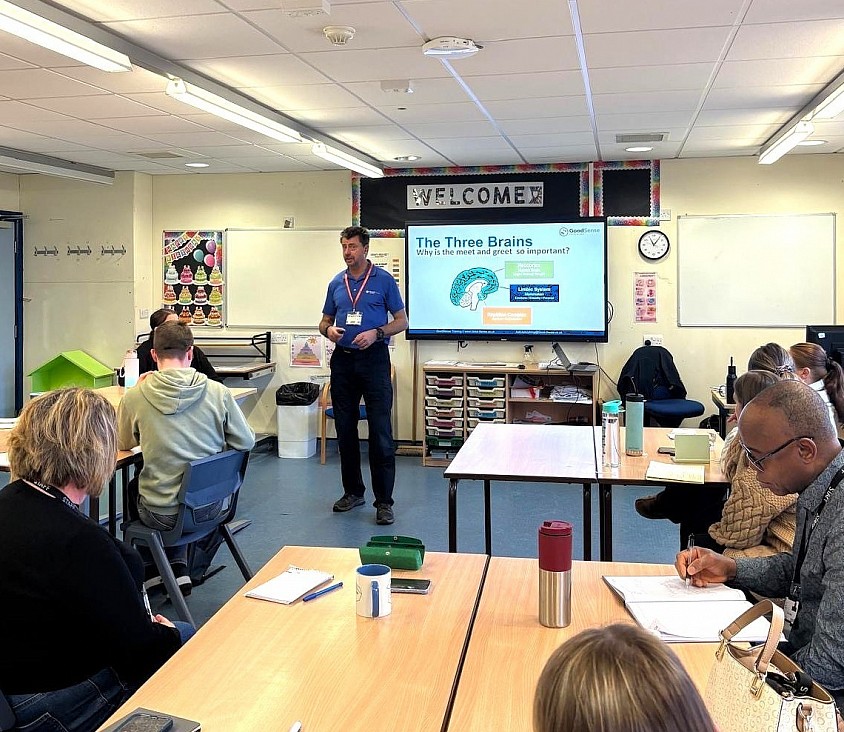
Disagreements between co-workers are normal. Different personalities, different working styles, and different opinions on how a task should be done are bound to clash from time to time. The real question is not whether conflict will happen, but how well a team is prepared to handle it when it does. With the right approach, most workplace disputes can be resolved calmly, without damaging relationships or team morale.
Below are seven practical steps that help managers and employees work through conflict in a fair and respectful way.
Step 1: Why Does the Conflict Need to Be Addressed Early?
Small disagreements rarely stay small if they are ignored. A minor disagreement over a shared task can grow into ongoing tension if nobody steps in to talk about it. Addressing the issue early, before it affects the wider team, saves everyone time and stress. Many workplaces now invest in conflict management training so managers know how to spot the early warning signs and step in before things escalate.
Step 2: Listen to Both Sides Without Taking Sides
Before deciding who is right, take time to hear both people out separately. Let each person explain their view without interrupting. Jumping to conclusions or favouring one side, even unintentionally, usually makes the other person feel unheard, which only adds fuel to the disagreement. A neutral listener, whether that is a manager or HR representative, builds trust that the process is fair.
Step 3: What Is Really Causing the Disagreement?
Often the surface issue is not the real problem. A dispute over a missed deadline might actually be about feeling overworked or undervalued. Ask open questions and dig a little deeper before assuming the obvious explanation is the full story. Understanding the root cause makes it much easier to find a solution that actually works, rather than one that just patches things over for a few weeks.
Step 4: Bring Both Parties Together for an Honest Conversation
Once each side has been heard individually, it usually helps to bring both people into the same room. This should be a calm, structured conversation, not a confrontation. Set some ground rules beforehand, such as no interrupting and no raised voices, so the discussion stays respectful. A manager trained in physical intervention training and general workplace safety practices will also know how to read body language and step in if tension starts building beyond words, which is especially useful in high-pressure environments.
Step 5: Focus on Behaviour, Not Personality
It is easy for a conflict conversation to turn into personal criticism. Keeping the discussion centred on specific behaviours and actions, rather than character judgements, keeps things constructive. For this step, it often helps to break the approach down into clear points rather than a long explanation:
- Describe the specific behaviour or incident, not a general complaint
- Explain the impact it had, using facts rather than assumptions
- Ask the other person for their perspective on the same event
- Agree on what should happen differently going forward
- Set a follow-up date to check whether things have improved
Following these points keeps the conversation focused and prevents it from turning into a blame game.
Step 6: Should Everyone Learn Basic Breakaway Techniques?
In most office disagreements, things stay verbal. But in certain workplaces, especially those dealing with the public, healthcare settings, or high-stress environments, conflict can occasionally become physical or threatening. This is where breakaway training becomes genuinely useful. Learning simple breakaway techniques gives staff the confidence and the practical skill to safely remove themselves from a situation without escalating it further. It is not about winning a confrontation, it is about staying safe and de-escalating calmly.
Step 7: Understand Individual Strengths to Prevent Future Conflict
Once the immediate issue is resolved, it is worth looking at the bigger picture. A lot of recurring workplace friction comes down to people simply working differently, not working badly. Tools like Clifton Strengths can help teams understand each other's natural working styles, communication preferences, and motivations. When colleagues understand that one person thrives on structure while another prefers flexibility, small frustrations that used to cause arguments start to make more sense, and teams learn to work with each other's strengths instead of against them.
Building a Long-Term Culture of Respect
Resolving one conflict is useful, but building a workplace culture where disputes rarely escalate in the first place is far more valuable. This usually means ongoing effort rather than a single meeting. Regular check-ins, clear communication channels, and occasional refresher sessions on conflict management training keep the whole team aligned on how disagreements should be handled. Organisations that also offer physical intervention training and breakaway training as part of their staff development programme tend to see fewer serious incidents overall, simply because people feel prepared rather than caught off guard.
Final Thoughts
Conflict between co-workers is not something to fear, it is something to manage well. Listening early, understanding the real cause, keeping conversations focused on behaviour, and giving staff practical skills like breakaway techniques all play a part in keeping workplaces calm and respectful. Many organisations turn to providers like GoodSense Training for structured, practical training that covers everything from everyday conflict resolution to more specialised safety skills, helping teams handle disagreements with confidence rather than dread. A little preparation goes a long way toward a workplace where people feel heard, respected, and safe.